 Skip to content
Goal Zero Yeti 1500X Review 2026: Specs, Fridge Runtime, Pros and Cons

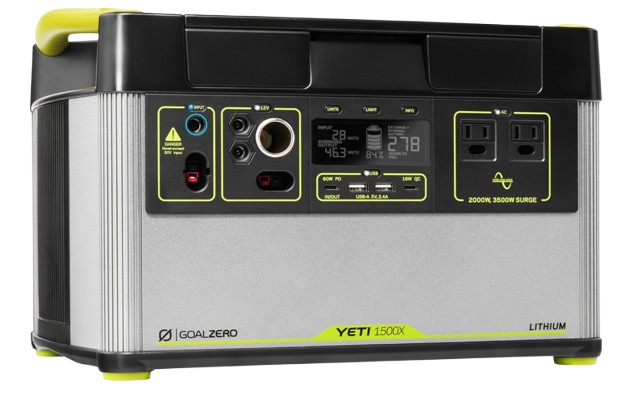
If you’ve been comparing power stations specifically to keep a refrigerator running through a blackout or a weekend of camping, the Goal Zero Yeti 1500X is one of the names that keeps coming up. It sits in an interesting spot in the market bigger than the entry level units that struggle with a fridge’s startup surge, but still compact enough to lift into a truck bed or closet without needing a dolly.
Goal Zero has been building power stations longer than most of the newer brands crowding this space, and the Yeti 1500X reflects that. It’s not the fastest-charging unit on the market, and it doesn’t use the LiFePO4 chemistry that’s become the standard for newer competitors, but it’s a straightforward, well built option aimed at a specific job: running a mid sized appliance like a home refrigerator for a meaningful stretch of time without being a pain to move around.
In this Goal Zero Yeti 1500X review, we’ll break down the battery capacity, real output numbers, charging options, ports, build quality, and importantly what its battery chemistry means for how long it’ll hold up under regular use. We’ll also cover who this unit makes sense for and who would be better served by a newer, LiFePO4 based alternative.
Let’s get into it.
Pros
- Compact and portable at just over 45 lbs
- 2,000W output (3,500W surge) handles fridge startup draws
- Multiple charging paths wall, car, and solar with 600W MPPT
- Clear LCD display for real time monitoring
- Durable, anodized aluminum build
Cons
- 1,516Wh isn't enough for multi days fridge backup
- Slow solar recharge 18 to 36 hrs with a single 100W panel
- NMC battery, not LiFePO4 shorter cycle life
- Pricier than competitors at similar capacity
Goal Zero Yeti 1500X Key Specifications
- Battery Capacity: 1,516 Wh
- Battery Chemistry: Li-ion NMC
- Output Power: 2,000W continuous, 3,500W surge
- AC Ports: 2× 120V AC outlets
- USB & DC Ports : 2× USB-A, 1× USB-C (18W Quick Charge), 1× USB-C (60W Power Delivery), regulated 12V ports, 7 port options total
- Solar Input: Up to 600W via built-in MPPT charge controller
- Recharge Options: Wall outlet, car port, solar panels
- Recharge Speed: AC wall 14 hours with the included 120W charger, or as fast as 3 hours with the optional 600W Power Supply; solar 18 to 36 hours with a single 100W panel, faster with multiple panels chained
- Weight: 45.64 lbs (20.7 kg)
- Dimensions: 15.25" × 10.23" × 10.37" (38.74 × 25.98 × 34.54 cm)
- App Control: Yes, via the Goal Zero App for remote monitoring and charging profiles
- Warranty: 2 years
- Operating Temperature: 32–104°F (0–40°C)
The Yeti 1500X is designed around a fairly specific use case: powering something demanding most often a refrigerator for a night or two without needing a huge, heavy power station. At 1,516Wh, it can keep a standard home refrigerator running for roughly 10 to 20 hours depending on the fridge’s efficiency and how often the compressor cycles, which comfortably covers an overnight outage or a camping trip but falls short of multi days backup without a recharge.
The 2,000W continuous inverter, with a 3,500W surge rating, is the part that actually makes fridge use practical. Refrigerator compressors draw a sharp power spike when they start up, and a lot of smaller or cheaper power stations either can’t handle that surge or shut down trying. The Yeti 1500X’s surge headroom means it starts and runs a fridge even one with a demanding compressor without drama.
Where it differs from most of its current competitors is battery chemistry. The Yeti 1500X uses Li-ion NMC rather than LiFePO4 (LFP), which has become the standard in newer power stations. NMC batteries are generally rated for around 500 charge cycles before capacity starts declining meaningfully, compared to 3,000 plus cycles for LFP based units. For someone who pulls this out a few times a year for camping trips or the occasional outage, that difference won’t matter much over the life of the product. For someone planning to cycle it weekly or use it as a primary daily power source, an LFP alternative will hold up considerably longer.
Key Highlights of the Goal Zero Yeti 1500X
Enough Output for a Fridge
Without the Bulk 2,000W continuous and 3,500W surge covers most home refrigerators, including startup draw, while the unit itself stays under 46 lbs light enough to carry with the built-in handles.
Three Ways to Recharge
Wall outlet, 12V car port, and solar are all supported out of the box, with a built in 600W MPPT charge controller that Goal Zero says improves solar charging efficiency by up to 30%.
Real Time Monitoring
The onboard LCD display shows live input and output wattage along with an estimated time to full charge, and the Goal Zero App extends that monitoring to your phone with remote control and customizable charging profiles.
Rugged, Long Term Build
The anodized aluminum enclosure and simple mechanical design are built to survive repeated trips in a truck bed, garage, or job site rather than being treated delicately.
Expandable Backup Circuit Integration
The Yeti 1500X can pair with Goal Zero's home integration accessories to back up select circuits directly, which is useful for anyone setting up a semi permanent home backup solution.
Well Rounded Port Selection
Seven port options two AC outlets, two USB A, an 18W USB C Quick Charge port, a 60W USB C Power Delivery port, and regulated 12V output cover most devices without needing extra adapters.
Real World Use Cases of the Goal Zero Yeti 1500X
Emergency Refrigerator Backup
This is the scenario the Yeti 1500X is built around. When the power goes out, it can keep a standard fridge or freezer running long enough to protect food through an overnight or short-duration outage, buying time until the grid comes back or you can recharge.
Weekend Camping and Overlanding
For a weekend trip, the 1500X comfortably runs a portable fridge, lighting, phone and camera charging, and small appliances like a coffee maker, all while staying light enough to load without a second person.
Tailgating and Outdoor Events
The dual AC outlets and strong surge rating make it a workable choice for running speakers, blenders, or lighting rigs at tailgates and outdoor gatherings, especially where you don’t need all days runtime.
Job Site and Van Build Power
Its compact footprint and rugged build make it a reasonable fit for a van conversion or job site setup where space is tight and durability matters more than maximum capacity.
Occasional Home Backup for Essentials
Beyond just a fridge, the 1500X can keep WiFi routers, medical devices, and a handful of lights running during a shorter outage, particularly if paired with a solar panel to extend runtime during the day.
Goal Zero Yeti 1500X Performance and Charging
On the output side, the 2,000W continuous and 3,500W surge inverter performs as advertised for most mid sized household appliances, including full size refrigerators, which is the appliance this unit is most often bought for. The seven total port options two AC outlets, two USB A, an 18W USB C Quick Charge port, a 60W USB C Power Delivery port, and regulated 12V output cover most charging needs without requiring extra adapters.
Charging flexibility is a genuine strength. The included 120W AC charger recharges the unit in about 14 hours, but Goal Zero’s optional 600W Power Supply cuts that down to roughly 3 hours, and the 230W supply lands around 7 hours worth factoring into your budget if a full recharge overnight matters to you. Solar charging runs through a built in 600W MPPT controller, though the numbers here are more modest than newer competitors: a single 100W Boulder panel takes 18 to 36 hours for a full recharge, and getting meaningfully faster solar charging requires chaining multiple panels together.
It’s worth noting that some independent testing has reported real world usable capacity somewhat below the rated 1,516Wh figure, which is not unusual for lithium power stations in general but is worth factoring into expectations plan around a working capacity that’s a bit more conservative than the spec sheet number, particularly for multi days backup planning.
The Goal Zero App rounds out the experience, letting you monitor charge state, set charging profiles, and check power consumption remotely rather than needing to check the unit’s LCD display in person.
Is the Goal Zero Yeti 1500X Worth It?
For the right use case, yes but it’s worth going in with clear expectations. The Yeti 1500X is a well built, genuinely portable power station that handles fridge level power draws without issue and gives you three solid ways to recharge. If your plan is occasional use camping trips, tailgates, or backup during the occasional outage the NMC battery’s shorter cycle life is a non issue, since you’re not putting it through hundreds of charge cycles a year.
Where the calculation shifts is if you’re comparing it strictly on value against newer LiFePO4 competitors at a similar watt hour rating. Those units typically offer faster solar charging, longer cycle life, and in some cases a lower price, which makes the Yeti 1500X a harder sell purely on specs. What it offers instead is Goal Zero’s longer track record in the space, a straightforward and rugged design, and a proven, if not class leading, feature set.
If multi days off grid fridge backup without any recharging is the goal, 1,516Wh simply isn’t enough capacity on its own you’d need to pair it with solar panels or plan on a generator top off, which is true of most power stations in this capacity range, not just this one.
Who Should Buy the Goal Zero Yeti 1500X
Occasional Campers and Weekend Travelers
If you’re pulling this out a handful of times a year rather than cycling it weekly, the NMC battery’s shorter cycle life won’t be a meaningful drawback, and you’ll benefit from its portability and rugged build.
Buyers Who Want Fast AC Recharge Options
With the optional 600W Power Supply, you can get a full recharge in about 3 hours, which is a real advantage for anyone who wants a quick top off between trips rather than an overnight wait.
Short Outage Home Backup Users
For keeping a fridge, WiFi, and a few essentials running through an overnight or short duration blackout, the 1500X’s output and capacity are well matched to the job.
Buyers Already Invested in Goal Zero's Ecosystem
If you already own Goal Zero solar panels or home integration accessories, the 1500X slots in without needing to rebuild your setup around a different brand.
Job Site and Van Build Owners
Anyone who needs a compact, rugged power source for a van conversion or work site will appreciate the durable aluminum build and manageable weight, since it’s easy to mount or stash without needing a dedicated cart.
Final Verdict: Is the Goal Zero Yeti 1500X Worth It?
The Goal Zero Yeti 1500X does what it’s designed to do: it runs a mid sized refrigerator through an overnight outage or a weekend trip, it’s light enough to carry without a cart, and it gives you real flexibility in how you recharge it, including a genuinely fast option if you spring for the 600W Power Supply. The build quality and Goal Zero’s long track record in this space add a layer of confidence that newer, less established brands can’t quite match yet.
That said, this is not the most capacity or cycle life efficient option on the market today. The NMC battery chemistry means it won’t hold up as well under frequent charging as newer LiFePO4 competitors, and its solar charging speed lags behind units built around faster charging technology. For occasional backup and camping use, none of that outweighs the practical benefits. For frequent cyclers or buyers optimizing purely for value per watt hour, it’s worth comparing against newer alternatives before you commit.
If your use case is exactly what it’s built for occasional, reliable fridge backup in a portable, well-made package the Yeti 1500X earns its spot on the shortlist.
FAQ
The Yeti 1500X has a 1,516Wh battery, using Li-ion NMC chemistry rather than the LiFePO4 chemistry found in many newer competitors.
Depending on the fridge’s efficiency and how often the compressor cycles, it can typically keep a standard home refrigerator running for roughly 10 to 20 hours on a single charge.
With the included 120W AC charger, a full recharge takes about 14 hours. Goal Zero’s optional 600W Power Supply cuts that to roughly 3 hours, and the 230W supply lands around 7 hours. Solar recharge with a single 100W panel takes 18 to 36 hours.
The Yeti 1500X delivers 2,000W of continuous output with a 3,500W surge rating, enough to handle the startup draw of most home refrigerators and other mid sized appliances.
Yes, it includes a built in 600W MPPT charge controller and can accept solar input up to 600W when using compatible Goal Zero panels, which can be chained together for faster charging.
NMC batteries like the one in the Yeti 1500X are typically rated for around 500 charge cycles before capacity declines meaningfully, versus 3,000 plus cycles for LiFePO4 batteries used in many newer competitors. For occasional use, this difference matters less; for frequent cycling, an LFP alternative will last longer.
It weighs 45.64 lbs, which is relatively light for its capacity class and manageable to carry using the built in handles, especially compared to larger 2kWh plus power stations.
It includes 2 AC outlets, 2 USB A ports, an 18W USB C Quick Charge port, a 60W USB C Power Delivery port, and regulated 12V ports seven port options in total.
Goal Zero backs the Yeti 1500X with 2 years warranty, which is standard for the brand’s lithium based Yeti X line.
It’s priced on the higher side for its watt hour rating compared to some newer LiFePO4 power stations, which often offer faster charging and longer cycle life. It remains a solid choice for buyers who value Goal Zero’s build quality and ecosystem, or who only need occasional, rather than frequent, use.
Looking for alternatives? We reviewed the 7 Best Solar Generators for Refrigerators and 7 best solar generators for Camping to help you choose the right one for your needs.
Share


