 Skip to content
- Updated September 12, 2026
Top 10 Best Portable Solar Generators of 2026
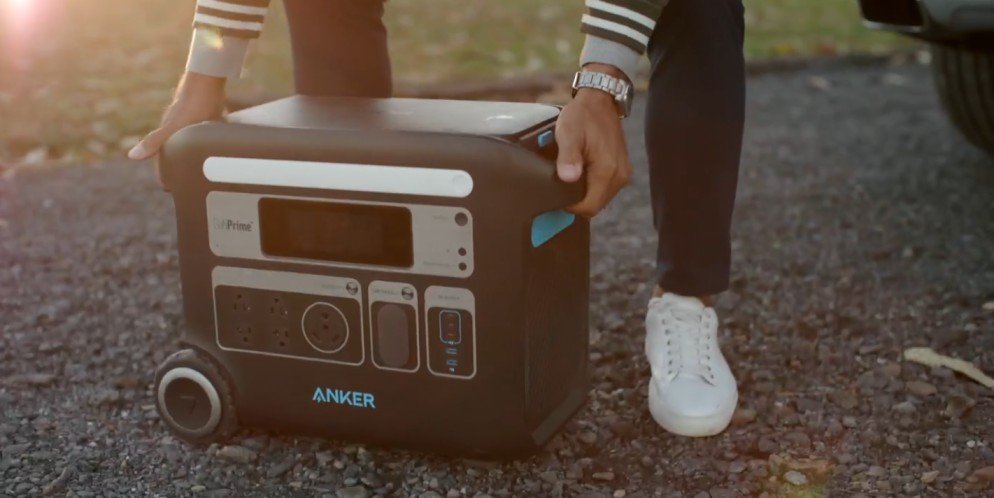
Forget noisy gas generators. Whether you’re heading off grid, camping deep in the woods, prepping for emergencies, or just want to charge your gear wherever you roam, a good portable solar generator gives you quiet, clean power on demand.
But not every solar generator is actually portable. Some are too heavy to move comfortably. Others charge painfully slowly, or simply don’t hold up to regular use. We compared capacity, charging speed, output, weight, and real-world usability across this year’s top-rated models verified against manufacturer specs and current retail listings to build this list of the 10 best portable solar generators for 2026.
From lightweight options for weekend campers to high capacity units that can back up an RV or off grid cabin, here’s what’s actually worth your money.
Quick Answer
- Best Overall Power & Portability: Jackery Explorer 2000 Plus
- Best for Home Backup & Serious Power: EcoFlow Delta Pro 3
- Best for Travel & Everyday Use: Anker SOLIX C1000
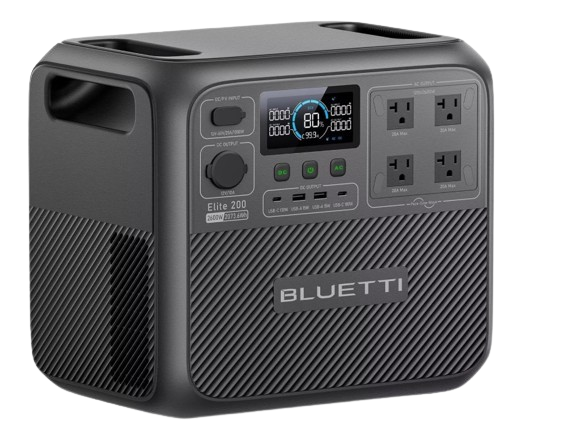
- Best Mid-Range Home & RV Pick: Bluetti Elite 200 V2
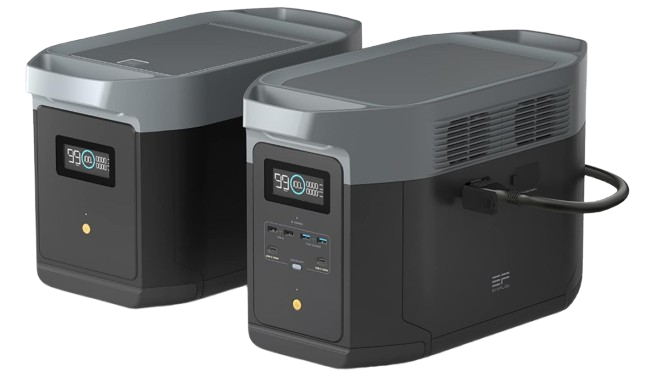
- Best for Fast Charging: EcoFlow Delta 2 Max
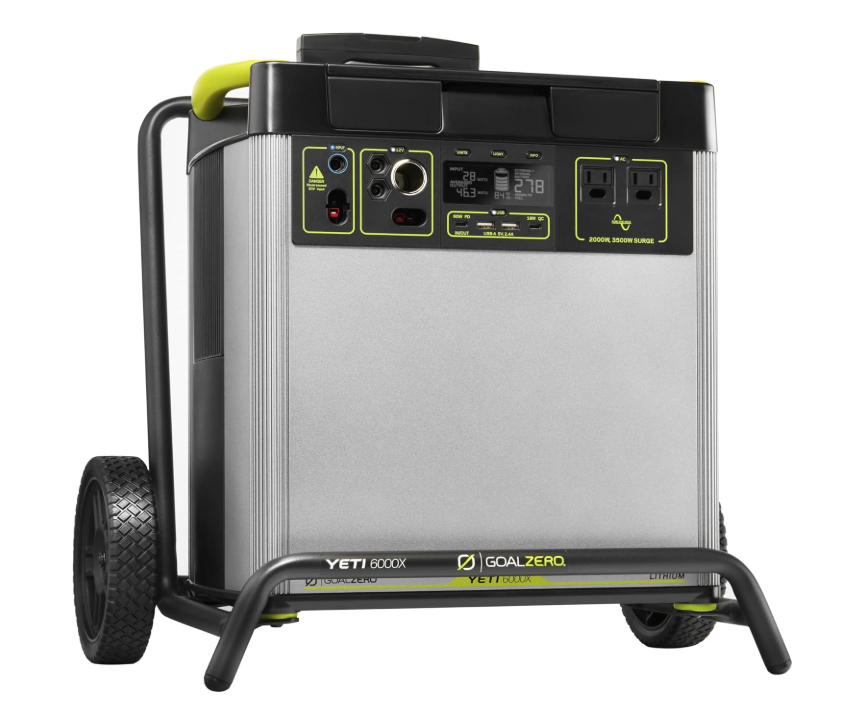
- Best for Massive Capacity: Goal Zero Yeti 6000X
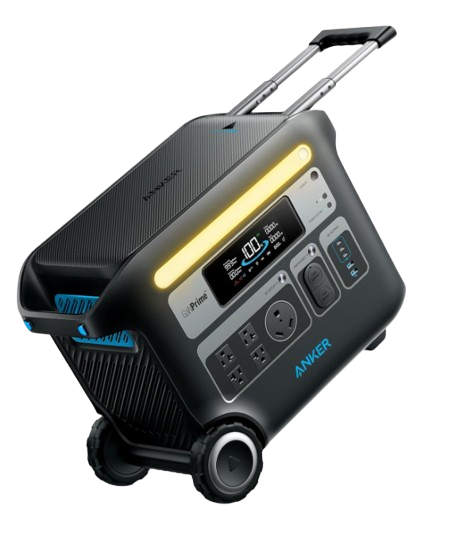
- Best for Outdoor & Emergency Use: Anker SOLIX F2000 (PowerHouse 767)
- Best for Weekend Adventures: Jackery Explorer 1000 V2
- Best Ultralight Everyday Carry: Renogy Phoenix 300
- Best Budget Entry Point: SUAOKI S370
Quick Comparison Table: Top 10 Best Portable Solar Generators 2026
Quick Tip: Amazon stock changes often! If a product isn’t available, scroll to the review section where we’ve included links to buy from the brand’s official store.
Image | Generator Name | Power Output | Battery Capacity | Rating | Price |
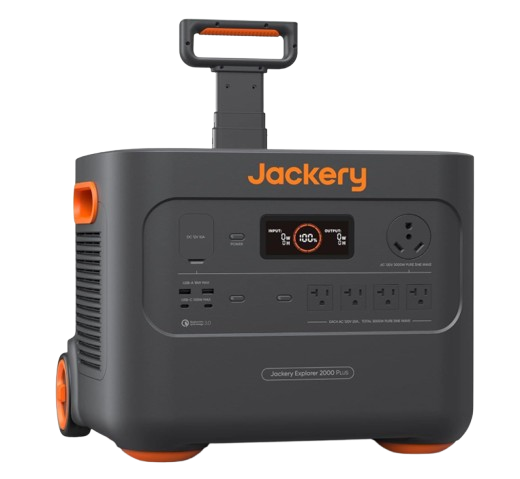 | 3,000W | 2,042 Wh | 5/5 | ||
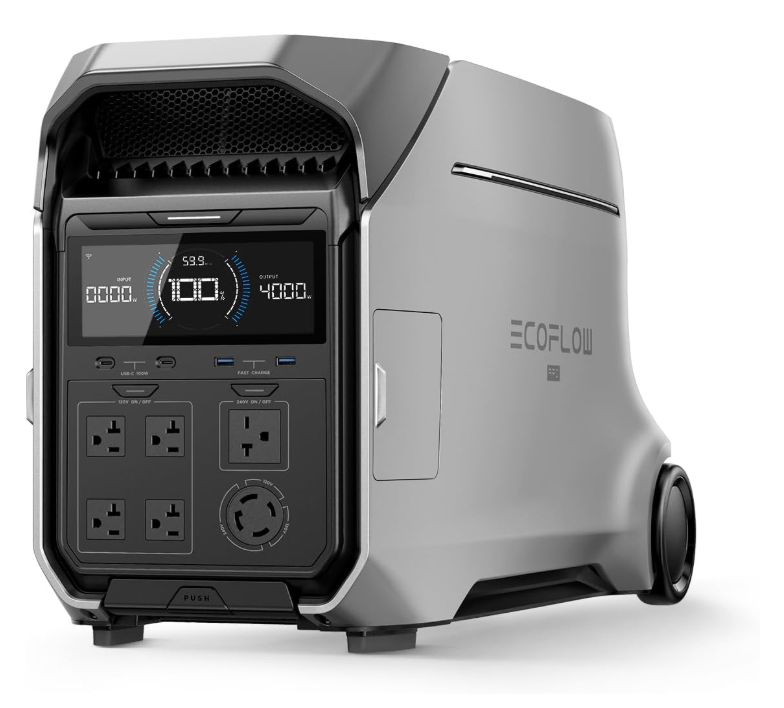 | 4,000W | 4,096 Wh | 4.5/5 | ||
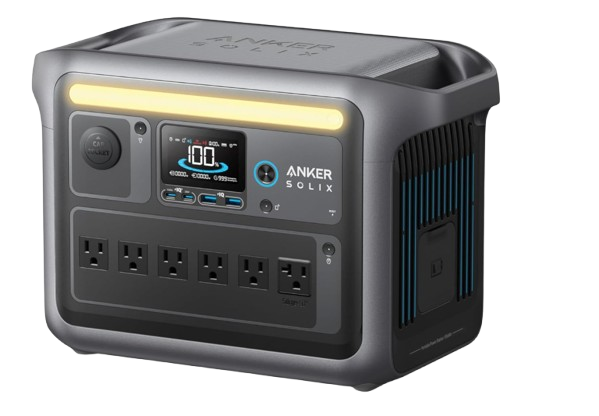 | 1,800W | 1,056 Wh | 4.5/5 | ||
 | 2,600 W | 2,074 Wh | 4.6/5 | ||
 | 2,400W | 2,048Wh | 4.6/5 | ||
 | 2,000W | 6,071Wh | 4.4/5 | ||
 | 2,400 W | 2,048 Wh | 4.6/5 | ||
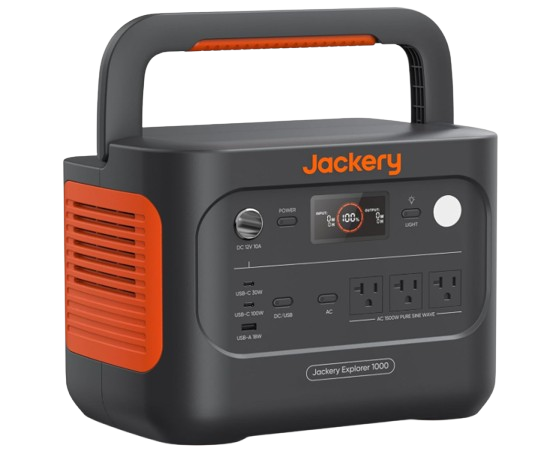 | 1,500W | 1,070Wh | 4.6/5 | ||
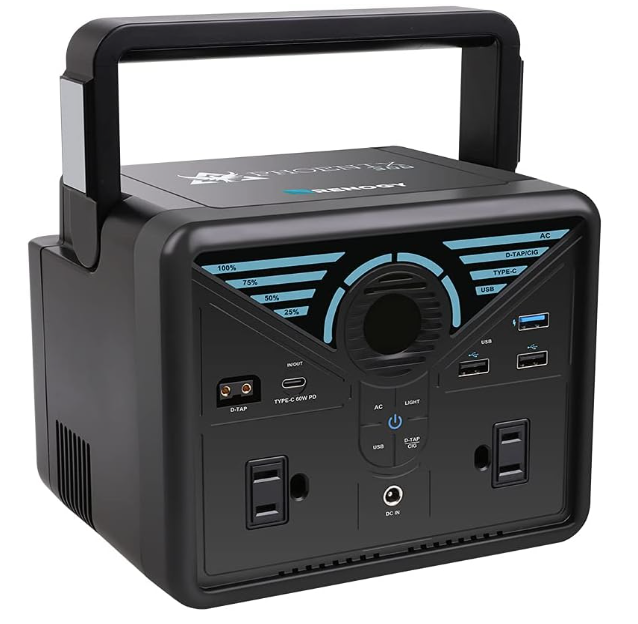 | 200W | 337Wh | 3.8/5 | ||
 | 300W | 500Wh | 4/5 |

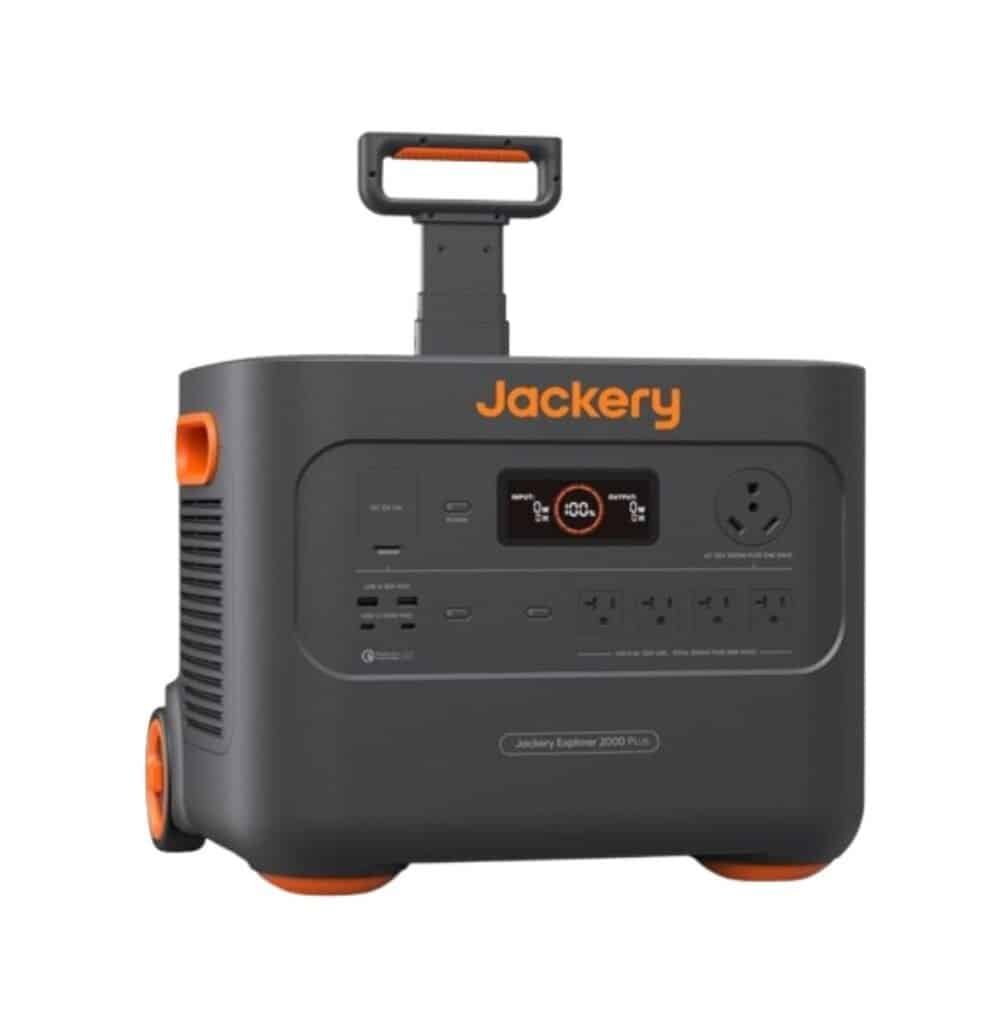
For most people shopping for a single, do it all portable solar generator, the 2000 Plus is the strongest all around pick enough capacity for real emergencies, expandable if your needs grow, and manageable enough to actually move around when you need to.
Pros
- 2,042Wh base capacity, expandable up to roughly 24kWh
- 3,000W inverter handles fridges, freezers, and sump pumps
- LiFePO₄ battery rated for 4,000+ cycles
- Fast solar input, up to 1,200W across 6 panels
- Wheels and a telescoping handle make the 61.5 lb base unit genuinely movable, not just theoretically portable
cons
- Cost adds up quickly once you start adding expansion batteries
- Still substantial at 61.5 lbs two persons lift is easier for loading into a vehicle
At its base capacity, it comfortably runs a refrigerator, Wi-Fi router, LED lighting, and a CPAP machine overnight, and the wheeled design means you’re not fighting the unit every time you need to relocate it from garage to campsite to car trunk. Add up to five battery packs and you’re looking at nearly 24,000 Wh, useful for extended outages without turning into a fixed installation.
Key Specifications
- Battery Capacity: 2,042 Wh (expandable to ~24kWh)
- Output Power: 3,000W continuous, 6,000W surge
- Battery Type: LiFePO₄, 4,000+ cycles
- Weight: 61.5 lbs (base unit)
- Solar Input: Up to 1,200W (6 panels)
- Who should buy it: Anyone wanting one flexible unit that covers both home backup and portable use
- Who should skip it: Buyers who want a single fixed-price purchase with no future expansion costs
Get yours now on Amazon and Bring serious backup power to your home or next off-grid project
Want to learn more about Jackery Explorer 2000 Plus? Read our full Jackery Explorer 2000 Plus Review here.

If your primary need is running serious loads an AC unit, a well pump, multiple large appliances the Delta Pro 3 delivers real home backup grade power in a still technically portable form factor.
Pros
- Massive 4,096Wh capacity, expandable up to 48kWh
- 4,000W pure sine wave inverter with 8,000W surge
- Native 120V/240V split phase output for home-grade appliances
- Very fast charging 0–80% in about 50 minutes via AC
- IP65 rated battery pack for dust and water resistance
cons
- Heavy at 113 lbs this is realistically a two-person setup, not something you carry solo
- Premium pricing
- Genuine overkill for simple or occasional power needs
Its LiFePO₄ battery chemistry provides strong longevity and safety margins, and the 4,000W inverter supports high demand appliances like well pumps, dryers, and ovens that most portable units simply can’t handle. The split-phase capability enables full 240V circuit backup when paired with a second unit closer to a genuine gas generator replacement than most “portable” stations, minus the noise and fuel hassle.
Key Specifications
- Battery Capacity: 4,096 Wh (expandable to 48kWh)
- Output Power: 4,000W continuous, 8,000W surge
- Battery Type: LiFePO₄
- Weight: 113 lbs
- Solar Input: Up to 2,600W
- Output Options: 120V, 240V split-phase
- Who should buy it: Buyers who want near whole home backup capability without a permanent installation
- Who should skip it: Anyone prioritizing true portability this unit is technically movable, not genuinely lightweight
Get yours now on Amazon and Bring serious backup power to your home or next off-grid project
Want to learn more about EcoFlow Delta pro 3 ? Read our full EcoFlow Delta Pro 3 Review here.
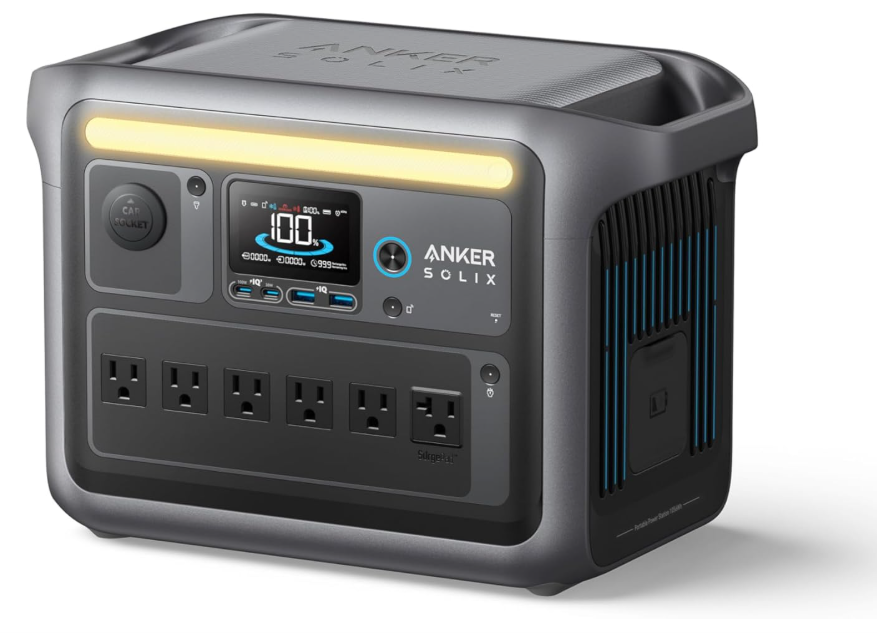
For genuinely frequent, grab and go use van life, weekend trips, quick emergency top offs the SOLIX C1000 balances real capability against a size you’ll actually want to carry.
Pros
- Fast AC recharge via Anker's HyperFlash technology
- 600W MPPT solar input tops up in roughly 2 hours of good sun
- Lightweight at 28.4 lbs with a built in handle
- Long-life LiFePO₄ battery, 3,000+ cycles
cons
- Not expandable
- Won't run large 240V appliances
- Only two AC outlets a power strip helps if you need more
The 1,056Wh LiFePO₄ pack delivers roughly a decade of regular weekend cycling, and Anker’s fast charging tech gets it back to full quickly enough to genuinely fit a same day turnaround between trips. A built in UPS function switches over in under 20 milliseconds, useful for keeping routers or sensitive electronics alive during brief grid hiccups.
Key Specifications
- Battery Capacity: 1,056 Wh
- Output Power: 1,800W continuous, 2,400W surge
- Battery Chemistry: LiFePO₄, ~3,000 cycles
- Weight: 28.4 lbs / 12.9 kg
- Solar Input: 600W max
- Ports: 2× AC, 2× USB-C (100W), 2× USB-A, 12V car
- Who should buy it: Campers, digital nomads, and homeowners who want a grab-and-go solution rather than a heavy unit
- Who should skip it: Anyone needing to run large appliances or expand capacity later
Get yours now on Amazon and Enjoy the Fastest Recharge in Its Class
Want to learn more about Anker Solix C1000 ? Read our full Anker Solix C1000 Review here.


Bluetti’s newer Elite line replaces the popular AC200L with a genuinely upgraded spec sheet a strong middle ground pick between basic backup units and the premium 4,000Wh+ options.
Pros
- Robust 2,600W inverter (3,900W surge) handles power tools and larger appliances
- 2,073.6Wh long-life LiFePO₄ battery, rated for 6,000+ cycles
- Genuinely fast recharge 80% in about 1.1 hours, full charge in ~1.4 hours
- UPS function with sub 15ms switchover
- Expandable via Bluetti's B230/B300 battery packs
cons
- At 53.4 lbs, it's still a substantial lift without wheels
- Solar charging is capped at 1,000W fine, but not class leading
- LCD screen can be hard to read in direct sunlight
This lands in a genuinely useful spot for buyers who need more than a basic backup solution but don’t want the size or cost of 4,000Wh+ systems. The 6,000+ cycle rating is a real strength — noticeably ahead of most competitors in this capacity range and the expansion path via add on batteries means it can grow with extended outage needs without buying an entirely new unit.
Key Specifications
- Battery Capacity: 2,073.6 Wh
- Output Power: 2,600W continuous, 3,900W surge
- Battery Chemistry: LiFePO₄, 6,000+ cycles
- Weight: 53.4 lbs / 24.2 kg
- Solar Input: Up to 1,000W MPPT
- AC Recharge: ~1.1 hrs to 80%, ~1.4 hrs full
- Who should buy it: Buyers who want strong capability and cycle life without going premium tier
- Who should skip it: Anyone specifically prioritizing the fastest possible solar recharge — 1,000W is solid but not the fastest here
Get yours now on Amazon and Your Home or RV with Confidence
Want to learn more about Bluetti Elite 200 V2 ? Read our full Bluetti Elite 200 V2 Review here.
If minimizing downtime between uses matters most, the Delta 2 Max’s charging speed is the standout feature in this capacity class.
Pros
- Extremely fast AC charging 0–80% in about 50 minutes
- LiFePO₄ battery rated for 3,000+ cycles
- Expandable to 6,144Wh+ with extra batteries
- Dual solar plus AC input, up to 1,000W solar
cons
- No built in 30A RV outlet
- On the heavier side for a 2kWh class unit at 50 lbs
- No native 240V support
- With a 2,048Wh battery and 2,400W inverter, it punches well above its weight in both home and RV use. The X Stream charging tech is the real differentiator full recharge in as little as 80 minutes via wall outlet, which matters if you’re relying on the unit for repeated daily cycling rather than occasional backup.
Key Specifications
- Battery Capacity: 2,048 Wh (expandable to 6,144 Wh)
- Output Power: 2,400W continuous, 4,800W surge
- Battery Type: LiFePO₄, 3,000+ cycles
- Weight: 50 lbs / 22.6 kg
- Solar Input: Up to 1,000W
- Who should buy it: RVers and remote workers who need to top off quickly between uses
- Who should skip it: Anyone specifically needing native 240V output or a built-in 30A RV connection
Get yours now on Amazon and Recharge 80% in Under an Hour
Want to learn more about EcoFlow Delta 2 Max ? Read our full EcoFlow Delta 2 Max Review here.

For buyers who need maximum single unit capacity and don’t mind the tradeoffs, the Yeti 6000X remains one of the largest, most rugged options on the consumer market.
Pros
- Massive 6,071Wh battery capacity
- 10 output ports, including 2× AC (120V)
- App control via Wi-Fi and Bluetooth
- Modular design with external battery compatibility
cons
- Very heavy at 106 lbs not truly portable in practice
- Uses NMC battery chemistry rather than LiFePO4, rated for roughly 500 cycles well below the 3,000–6,000+ cycle ratings of the LFP units elsewhere on this list
- Slow AC charging (about 12 hours) unless upgraded with optional fast-charge modules
- Premium price tag
At 6,071Wh, this can run a full size fridge for days or keep essential circuits alive through a major storm. It’s genuinely capable, but the NMC battery chemistry is worth being clear eyed about: for occasional, infrequent use it’s a reasonable tradeoff, but for anyone planning to cycle it regularly, an LFP based alternative from earlier in this list will hold up considerably longer over time.
Key Specifications
- Battery Capacity: 6,071 Wh
- Output Power: 2,000W continuous, 3,500W surge
- Battery Type: Lithium ion (NMC), ~500 cycles to 80%
- Weight: 106 lbs / 48 kg
- AC Charging Time: ~12 hrs standard (faster with optional module)
- Solar Input: 600W max
- Who should buy it: Buyers prioritizing maximum single-unit capacity for occasional, infrequent use
- Who should skip it: Anyone planning frequent, regular cycling — the cycle life tradeoff is real
Get yours now on Amazon and Power Through Multi-Day Outages with Ease
Want to learn more about Goal Zero Yeti 6000X? Read our full Goal Zero Yeti 6000X here.
Formerly sold as the PowerHouse 767, this is the same unit under Anker’s newer SOLIX branding a strong, well rounded pick for both home backup and serious outdoor use.
Pros
- 2,400W inverter (4,800W surge) handles heavy duty appliances
- Long lasting LiFePO₄ battery, 3,000+ cycles
- Fast recharge 0–80% in about 1.4 hours via AC
- Solid overall value in its capacity class
cons
- No expandable battery ecosystem
- At roughly 67 lbs, this is a genuine two handed lift, not a grab and go unit
With over 2kWh of storage and a 2,400W inverter, it holds up well for off-grid use, RV life, or emergency backup. The wheeled, suitcase-style frame makes the weight more manageable than the raw number suggests, and the LiFePO₄ chemistry means you’re not trading longevity for the lower price point relative to premium competitors.
Key Specifications
- Battery Capacity: 2,048 Wh
- Output Power: 2,400W continuous, 4,800W surge
- Battery Type: LiFePO₄, 3,000+ cycles
- Weight: ~67 lbs
- AC Recharge Time: ~1.4 hrs to 80%
- Solar Input: Up to 1,000W
- Who should buy it: Buyers who want strong capability and value without paying premium-brand pricing
- Who should skip it: Anyone who wants to expand capacity later — this unit doesn't support add-on batteries
Get yours on Amazon, High capacity meets affordable power!
Want to learn more about Anker Solix F2000? Read our full Anker Solix F2000 Review here.
The “V2” here matters this generation replaced the original Explorer 1000’s older NMC battery with LiFePO4, making it a meaningfully more durable long-term pick than its predecessor.
Pros
- Genuinely lightweight at 23.8 lbs for the capacity
- LiFePO4 battery rated for 4,000+ cycles a real upgrade over the original NMC based Explorer 1000
- 1,500W inverter supports small to medium appliances
- Fast emergency charging full in about an hour via AC
cons
- 1,070Wh capacity isn't built for long outages
- No expandable battery option
- Solar input tops out at 400W, more modest than some competitors
With a 1,070Wh LiFePO4 battery and 1,500W pure sine wave inverter, it comfortably handles multiple small appliances or one higher-draw device at a time phones, laptops, CPAP machines, or a portable cooler on a road trip. It’s genuinely carryable in a way heavier units aren’t, and pairs well with Jackery’s SolarSaga panels for a complete mobile setup.
Key Specifications
- Battery Capacity: 1,070 Wh
- Output Power: 1,500W continuous, 3,000W surge
- Battery Type: LiFePO4, 4,000+ cycles
- Weight: 23.8 lbs
- AC Recharge Time: ~1 hour (emergency charge mode)
- Solar Input: Up to 400W
- Who should buy it: Weekend campers and road-trippers who want genuine portability with modern battery chemistry
- Who should skip it: Anyone needing a longer runtime or the option to expand capacity later
Get yours on Amazon, Ultra-light, ultra-portable power for your next adventure!
Want to learn more about Jackery Explorer 1000 V2? Read our full Jackery Explorer 1000 V2 Review here.
For emergency kits, light travel, or simply charging small electronics, the Phoenix 300 is proof that a genuinely tiny unit can still be useful provided you keep expectations in check.
Pros
- Extremely lightweight and compact at 6.4 lbs
- Durable, minimalist design
- Includes a 60W USB-C PD port and wireless-adjacent fast charging
- Silent and easy to carry anywhere
cons
- Very limited 337Wh capacity
- 300W continuous output isn't built for larger devices or appliances
- Standard lithium-ion battery (not LiFePO4) rated for roughly 1,000 cycles, notably lower than the LFP units elsewhere on this list
- Not suitable for full home backup
The 337Wh lithium-ion battery can power small electronics smartphones (20+ charges), a laptop for several hours, LED lights overnight, or a router/CPAP for a stretch through two AC outlets rated at 300W combined output. It’s built for scenarios where portability and quick top-ups matter more than raw capacity: a bug-out bag, an emergency kit, or a lightweight weekend trip. Just don’t expect it to run a microwave or coffee maker.
Key Specifications
- Battery Capacity: 337 Wh
- Output Power: 300W continuous, 600W surge
- Battery Type: Lithium-ion, ~1,000 cycles
- Weight: 6.4 lbs
- Solar Input: Up to 50W
- Who should buy it: Minimalists, emergency preppers, and anyone who needs light device charging above all else
- Who should skip it: Anyone needing to power appliances or plan for frequent, regular cycling
Get yours on Amazon, Stay charged anywhere with this pocket-sized solar generator!
Want to learn more about Renogy Phoenix 300? Read our full Renogy Phoenix 300 here.
If you’re new to solar generators or need a reliable option for light-duty emergencies, the SUAOKI S370 is a solid choice under $400. Compact, versatile, and beginner friendly, it gives you a dependable way to power small devices during outages or outdoor trips without breaking the bank.
Pros
- Affordable for entry-level buyers
- Multiple output options (USB-C, DC, AC)
- Lightweight and easy to carry
- Built-in flashlight
cons
- Small capacity (500Wh)
- Low inverter output (300W)
- Slower charging
The SUAOKI EC03804D-M, also known as the S370, is a compact, budget-friendly power station that’s ideal for those just starting with solar generators. It holds 500Wh of capacity, enough to charge phones, power small fans, lights, routers, and even laptops.
Its 300W pure sine wave inverter means it’s not suited for powering high-draw devices like kettles or microwaves—but it’s more than capable for daily essentials. Whether you’re on a short camping trip or facing a short blackout, it has you covered.
Notably, it includes 3 AC outlets, multiple USB ports (including QC 3.0), and a DC car output, making it surprisingly versatile for its size. While it doesn’t support expansion or app control, it’s a practical, no-nonsense solution for light portable power.
Key Specifications
- Battery Capacity - 500Wh
- Output Power - 300W (Surge 600W)
- Battery Type - Lithium-ion
- Weight - 12 lbs
- Solar Input - ~100W max
Get yours on Amazon, Power your basics without overspending perfect for first-time buyers!
Share
